
Dia de los Locos
San Miguel’s Festival of Color, Laughter, and Joyful Chaos
2026/06/13
Every June, the colonial city of San Miguel de Allende bursts into a riot of color and laughter for Dia de los Locos (“Day of the Crazies”). On this one Sunday each year, thousands of costumed revelers fill the cobblestone streets, dancing, tossing candy, and turning the whole city into a living carnival. Whether you’re a photography enthusiast, a family with children, or a traveler seeking the unexpected, Dia de los Locos is a place where everyone can let loose and truly feel that “everyone’s different, and that’s wonderful.”
The festival is held every year on the Sunday closest to June 13, welcoming both locals and visitors. It’s the perfect event for anyone who wants to experience spectacle, humor, and the extraordinary energy of an entire city coming alive[1][2][3][4][5][6][8].
Main Attractions
The Grand Parade
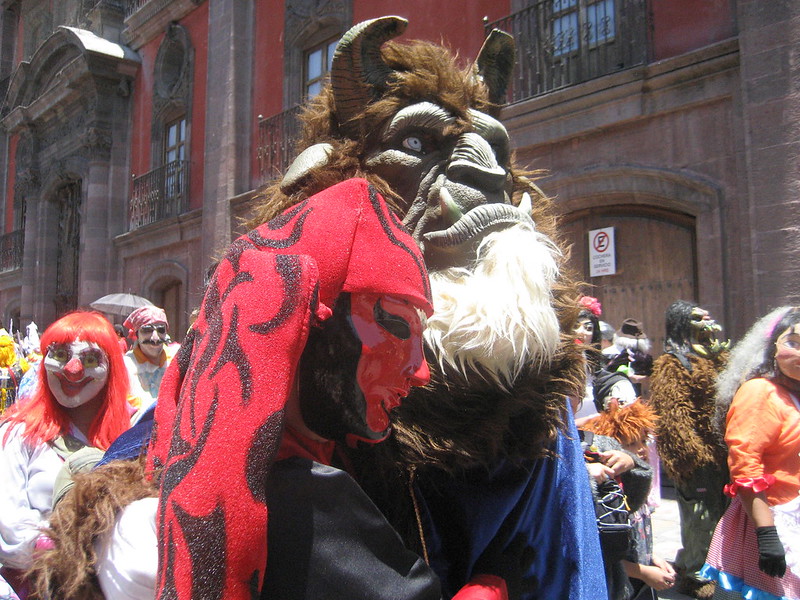
The heart of Dia de los Locos is the grand parade, with over 10,000 participants. From superheroes and monsters to political satire and pop culture icons, group after group surprises the crowd with their creativity. Brass bands and drums echo through the streets, while dancers and floats throw mountains of candy to the cheering crowds of children and adults. Winding through the historic district, this parade is pure “joyful chaos”[1][2][3][4][5][6][8].
Costumes and Decorations
The soul of the festival is, above all, the costumes. Hand-painted masks, feathered headdresses, sequined capes, colorful wigs—some groups spend months creating their looks. The city is decorated with banners, balloons, and flowers, and the tactile sensation of confetti, the shimmer of costumes, and the feel of fabric against your skin stimulate all the senses[1][2][3][4][5][6][8].
Traditional Food & Drink
Food stalls line the streets, filling the air with the aroma of roasted corn, tacos al pastor, and cinnamon-sugar churros. Tamales, elotes (grilled corn), and aguas frescas (fruit drinks) are also popular. Spicy salsa, crispy tortilla chips, and the sweet taste of parade candy are all part of the festival’s flavor[1][2][3][4][5][6][8].
Cultural and Historical Background
Dia de los Locos traces its origins to colonial times, blending Catholic devotion to Saint Anthony (patron of lost things and animals) with indigenous and Spanish traditions. It began with gardeners and fruit growers marching in wild costumes to give thanks for the harvest. Over time, it evolved into a festival of humor, satire, and community spirit, where families and friends gather to laugh at themselves and the world together. Today, it is one of San Miguel’s largest festivals, drawing tens of thousands of visitors and uniting the city in creativity and joy[1][2][3][4][5][6][7][8].
Participant Voices
I came from Canada just for this festival. I’d seen photos online, but being there was totally different! Music, candy, and costumes everywhere. I got to dance with a group of giant luchadores and felt like a kid again.
Fun Facts
- Over 1 ton (1,000 kg) of candy is thrown during the parade!
- Many costumes feature current events, celebrities, and local politicians, making the parade a mirror of Mexican pop culture.
- Some families have participated for generations, passing down costume-making and parade traditions.
Festival Dates
Dia de los Locos is held every year on the Sunday closest to June 13 in San Miguel de Allende, Guanajuato, Mexico.
The event schedule is subject to change. Please check the official website for the most up-to-date information.
Information
| Name | Dia de los Locos |
| Country | Mexico |
| Area | San Miguel de Allende |
| Date | 2026/06/13 |
| Link |
Upcoming Festivals
New Orleans Jazz and Heritage Festival United States
A Feast of Music and Food in the Birthplace of Jazz
2026/04/23Whitby Goth Weekend United Kingdom
A Festival Where Shadows Dance on the Yorkshire Coast
2026/04/25Pasadena Doo Dah Parade United States
The Anything-Goes Carnival of Whimsy
2026/04/26King’s Day (Koningsdag) Netherlands
The Netherlands’ Biggest Orange Celebration
2026/04/26Le Mat Snake Festival Vietnam
A Celebration of Legends and Serpents in Hanoi’s Ancient Outskirts
2026/04/28Festival Jeanne d’Arc France
A Medieval Spectacle in Orléans
2026/04/29Vappu (May Day) Finland
Finland's Vibrant Spring Awakening
2026/04/29Walpurgisnacht Germany
Witches, Bonfires, and the Magical Spring Festival of Germany
2026/04/29Beltane Fire Festival United Kingdom
A Night When the Spirits of Summer Dance on Edinburgh’s Hill
2026/04/29Walpurgis Night(Valborgsmässoafton) Sweden
Sweden’s Fiery Festival of Song and Spring