Lotus Lantern Festival(Yeondeunghoe)
Seoul’s River of Light and Prayers
2026/05/15 - 2026/05/16
Every spring, the heart of Seoul is gently illuminated by the Yeondeunghoe (Lotus Lantern Festival). With over a thousand years of history, this festival celebrates Buddha’s Birthday, filling streets and temples with color, light, and the prayers of the people. Whether you seek a spiritual experience, want to enjoy Korean culture and art, or simply wish to witness one of Asia’s most enchanting nights, Yeondeunghoe offers an unforgettable opportunity.
The reflections of countless lanterns on Cheonggyecheon Stream, the rhythm of drums and Buddhist chants, the scent of incense and sweet rice cakes, and the delicate feel of hanji paper in your hands… Even strangers naturally connect with smiles, and the entire city is wrapped in a gentle air of peace and happiness.
Main Attractions
Lantern Parade
The highlight of the festival is the grand lantern parade along Jongno Street. Tens of thousands walk with lotus lanterns in hand, while giant lantern floats shaped like dragons, elephants, and Buddhas light up the night sky. Traditional music, monks in ceremonial robes, and groups from across Korea and abroad join in, creating a river of light flowing through Seoul.
Lantern Making Workshops & Temple Fairs
Before the parade, lantern-making workshops are held at Jogyesa Temple and on the streets, where you can fold colorful hanji paper into lotus or animal-shaped lanterns. Temple fairs offer calligraphy, temple cuisine tastings, and corners where you can tie your wishes to lanterns. The air is filled with the scent of incense, the sound of paper, and laughter.
Traditional Performances & Rituals
During the festival, there are many stages for traditional music, Buddhist chants, and folk dances. Monks perform peace prayers, and the lighting of the main lantern is a moving moment filled with hope. At night, lanterns are floated on Cheonggyecheon Stream, their light and prayers reflecting on the water in a magical scene.
Costumes and Decorations
Many participants wear hanbok or monks’ robes, enhancing the beauty of the festival. The city is adorned with countless lanterns, lotus motifs, and colorful banners, while temples are filled with lanterns hung from the ceiling, each carrying the wishes of visitors and devotees.
Traditional Food & Drink
Enjoy temple dishes like lotus root salad, sweet rice cakes (tteok), and herbal teas. Street stalls serve hotteok (sweet pancakes), yakgwa (honey cookies), and fresh juices. The aroma of roasted chestnuts and incense mingles with the spring night air, making food stalls a highlight of the festival.
Cultural and Historical Background
Yeondeunghoe traces its origins to the Silla Dynasty in the 7th century. As Buddhism spread as a state religion, lanterns were lit in temples and throughout the city to celebrate Buddha’s Birthday, giving thanks and praying for peace, abundance, and family well-being. Especially in royal palaces and temples, countless lights illuminated the night, marking the arrival of spring with solemn prayers.
Through the Goryeo and Joseon dynasties, Yeondeunghoe became popular among commoners as well, evolving into a “spring social event” where communities, families, and friends gathered to share wishes. Despite wars, social upheaval, and modernization, the prayers for hope, healing, and peace embodied in the lanterns have remained a spiritual pillar of Korean society.
Today, Yeondeunghoe has evolved into an open festival for all, regardless of age, nationality, or faith. Through lantern-making, parades, temple experiences, and traditional performances, it plays a major role in strengthening community bonds, fostering intergenerational and international exchange.
In 2020, Yeondeunghoe was inscribed as a UNESCO Intangible Cultural Heritage, recognized for its historical and cultural value. Lighting a lantern and entrusting it with your wishes symbolizes the universal hope to brighten the future for oneself, family, and society, making it an important moment of spring renewal, hope, and solidarity for the Korean people.
Participant Voices
As an exchange student, I was deeply moved by how warmly everyone welcomed me. I made a lotus lantern at Jogyesa, tasted temple food, and talked with monks about the meaning of the festival. It was an unforgettable night.
Fun Facts
- Over 100,000 lanterns light up Seoul’s night during the festival each year.
- With a history of over 1,200 years, it is one of Korea’s oldest traditional events.
- Lanterns are made from hanji (traditional Korean paper), known for its strength and beauty.
- The festival is open to everyone, regardless of religion or nationality.
Festival Dates
Yeondeunghoe is held every spring around Jogyesa Temple, Jongno Street, and Cheonggyecheon Stream in Seoul. Join the lantern parade, try making your own lantern, and experience the magic of sending your wishes into the night sky.
The event schedule is subject to change. Please check the official website for the most up-to-date information.
Media
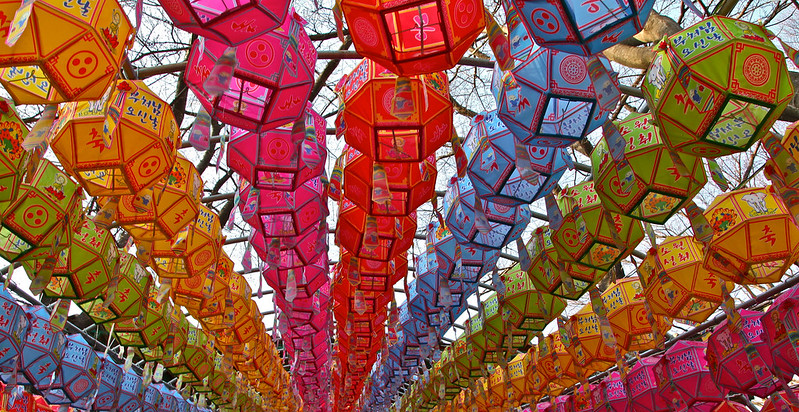
photo by Arjun Purkayastha
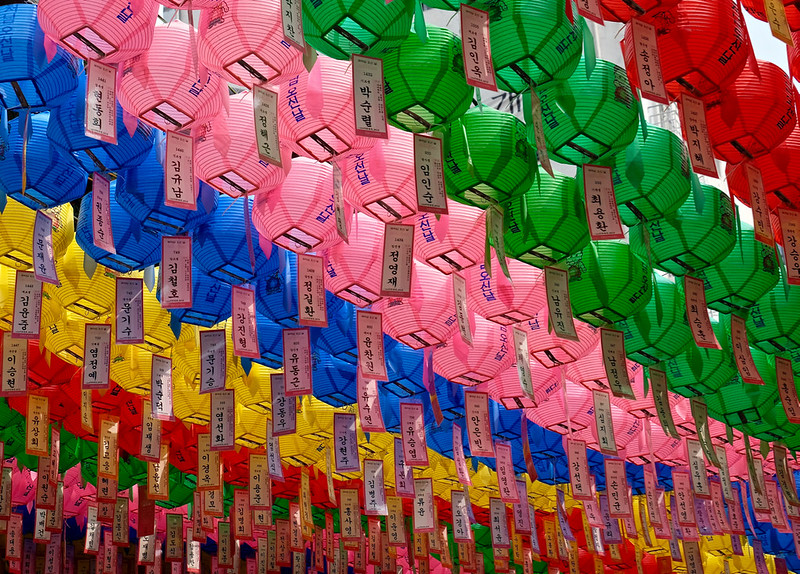
photo by Mondmann
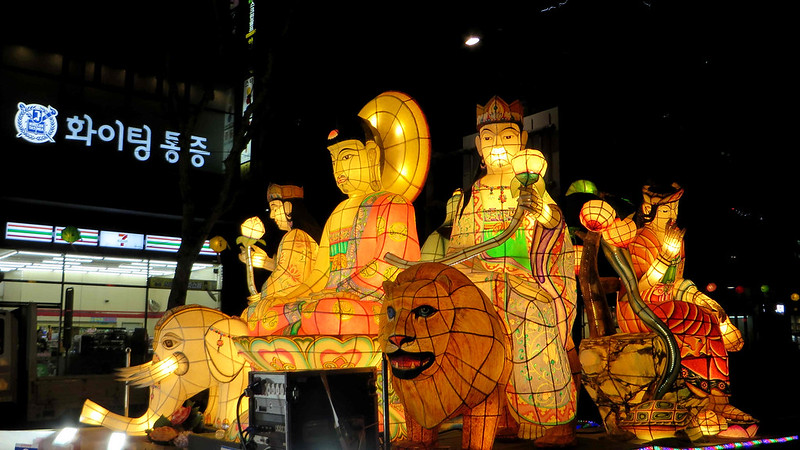
photo by Sanida
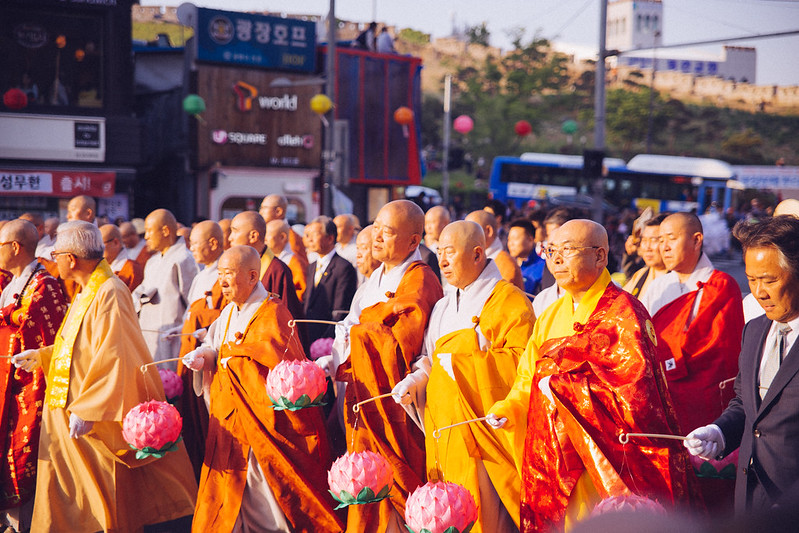
photo by Alex Barlow
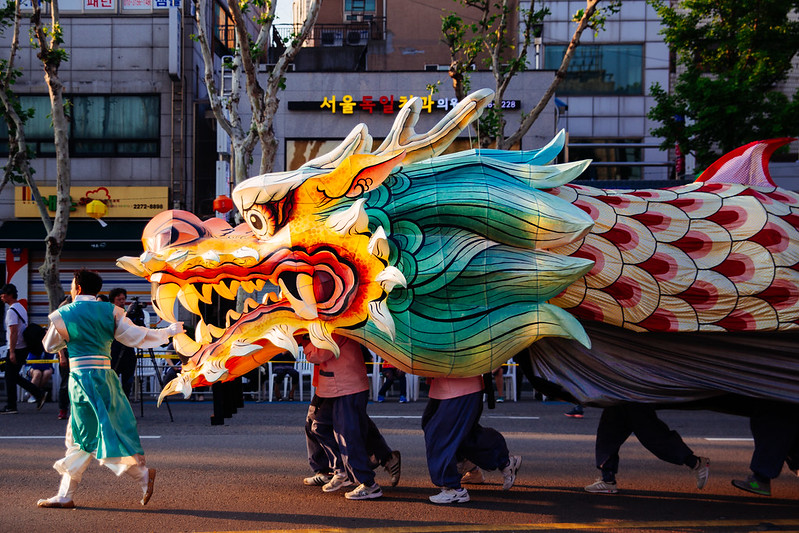
photo by Alex Barlow
Information
| Name | Lotus Lantern Festival(Yeondeunghoe) |
| Country | Korea |
| Area | Seoul |
| Date | 2026/05/15 - 2026/05/16 |
| Link |
Upcoming Festivals
New Orleans Jazz and Heritage Festival United States
A Feast of Music and Food in the Birthplace of Jazz
2026/04/23Whitby Goth Weekend United Kingdom
A Festival Where Shadows Dance on the Yorkshire Coast
2026/04/25Pasadena Doo Dah Parade United States
The Anything-Goes Carnival of Whimsy
2026/04/26King’s Day (Koningsdag) Netherlands
The Netherlands’ Biggest Orange Celebration
2026/04/26Le Mat Snake Festival Vietnam
A Celebration of Legends and Serpents in Hanoi’s Ancient Outskirts
2026/04/28Festival Jeanne d’Arc France
A Medieval Spectacle in Orléans
2026/04/29Vappu (May Day) Finland
Finland's Vibrant Spring Awakening
2026/04/29Walpurgisnacht Germany
Witches, Bonfires, and the Magical Spring Festival of Germany
2026/04/29Beltane Fire Festival United Kingdom
A Night When the Spirits of Summer Dance on Edinburgh’s Hill
2026/04/29Walpurgis Night(Valborgsmässoafton) Sweden
Sweden’s Fiery Festival of Song and Spring