Inti Raymi(The Inca Festival of the Sun)
The Magnificent Inca Festival Honoring the Sun and Life of the Andes
2026/06/23
Every June, the ancient city of Cusco, Peru, bursts into vibrant color for Inti Raymi, the Festival of the Sun. With Inca ruins and snow-capped mountains as a backdrop, tens of thousands gather to witness a grand spectacle woven from color, music, and ritual. For those fascinated by history, indigenous culture, or the power of communal celebration, this is truly a once-in-a-lifetime experience.
Inti Raymi is held every year on June 24, marking the winter solstice in the Southern Hemisphere. Locals, travelers, and history enthusiasts from around the world come together in Cusco to give thanks to Inti, the sun god and source of life, immersing themselves in a living tradition that has been passed down for centuries.
Main Attractions
The Royal Procession and Sacsayhuamán Ceremony
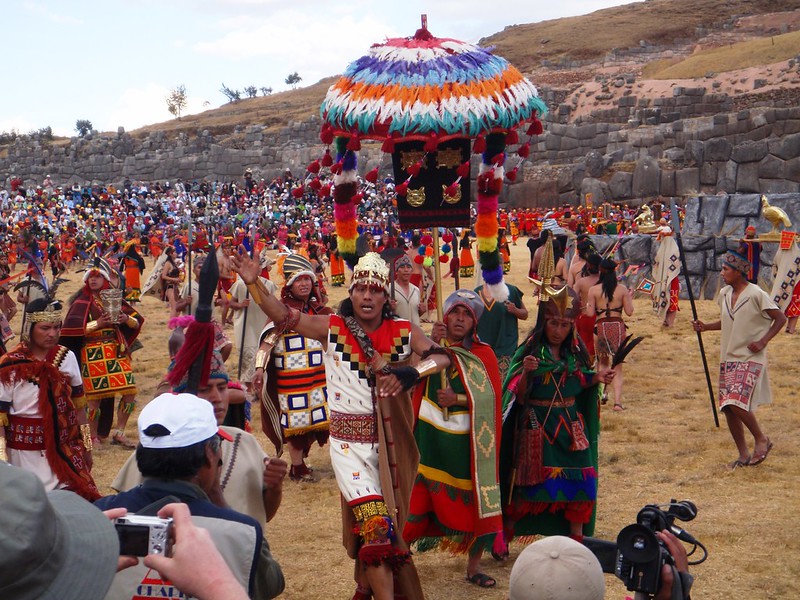
The heart of Inti Raymi is the splendid procession of the Sapa Inca (emperor) and his court, clad in gold and vibrant woven fabrics. The parade moves through Cusco’s cobbled streets, accompanied by the sounds of conch shells, panpipes, and drums. The climax is at the Sacsayhuamán ruins, where thousands watch from grassy terraces as ancient Inca rituals are reenacted, including the offering of chicha (corn beer) and prayers to the sun god Inti.
Key Events
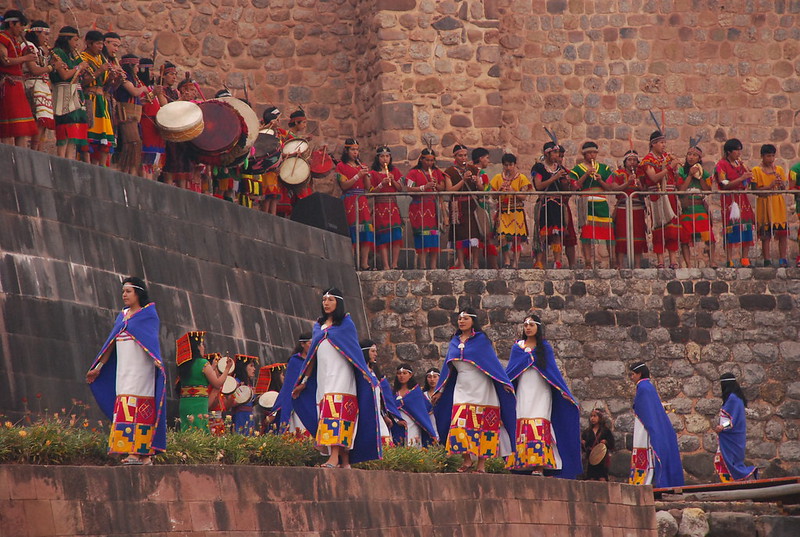
Inti Raymi begins at Qorikancha (the Temple of the Sun), continues to Cusco’s Plaza de Armas, and culminates at Sacsayhuamán. Dancers in feathered and sequined costumes perform ancient steps, while priests chant in Quechua. The scent of burning herbs drifts through the air, and the crowd joins in with songs and cheers to celebrate the sun’s return. Andean crafts and street foods add to the festival’s sensory feast.
Costumes and Decorations
Participants don luxurious Inca-inspired costumes: golden tunics, colorful ponchos, feathered crowns, and intricate jewelry. The Sapa Inca’s regalia gleams in the sunlight, while priests and priestesses are adorned in white, red, and gold. The city and ceremonial sites are decorated with woven banners, flowers, and sun motifs, creating a dazzling world for the eyes.
Traditional Food & Drink
During the festival, Cusco’s streets are filled with the aromas of cuy (roasted guinea pig), anticuchos (grilled meat skewers), choclo con queso (corn with cheese), and picarones (Andean donuts). The traditional chicha (corn beer) is shared even among strangers. The flavors are earthy and robust, connecting everyone to the bounty of the land.
Cultural and Historical Background
Inti Raymi is believed to have been founded in the 15th century by Pachacutec, the ninth emperor of the Inca Empire. In Inca civilization, the sun god Inti was the most important deity, and Inti Raymi was a national festival held at the winter solstice (when the sun is weakest in the Southern Hemisphere) to celebrate the sun’s return and the start of a new agricultural cycle. The festival lasted for nine days, with the emperor, nobility, priests, and commoners gathering for days of music, dance, feasting, animal sacrifices, and grand offerings. The moment when the Sapa Inca (emperor) prayed to the sun god was considered a sacred act, wishing for the prosperity of the nation and happiness of the people.
However, after the Spanish conquest in the 1530s and the spread of Catholicism, traditional Inca religious ceremonies and festivals were strictly prohibited, and Inti Raymi disappeared from official life. Still, in Andean indigenous communities, small-scale ceremonies continued in secret within families and local groups. In 1944, Cusco’s intellectuals and cultural leaders revived Inti Raymi as a historical reenactment based on Inca records and oral traditions. Since then, it has been held annually on June 24 as a grand festival, growing into a national event that symbolizes the pride of Peru’s indigenous culture and the spirit of the Inca civilization. Today’s Inti Raymi is a “living history” where past and present, tradition and tourism, and Peruvian identity all intersect, drawing attention from around the world.
Participant Voices
The moment the Sapa Inca’s procession appeared on the stone steps of Sacsayhuamán, I felt as if I’d been transported back to the Inca era. The golden robes reflected the sunlight, feathered headdresses and colorful woven fabrics fluttered in the breeze—so dazzling it took my breath away. The pounding of drums and the sound of panpipes resonated through the earth, and the cheers and energy of the crowd could be felt on my skin. A local family next to me shared chicha in a clay cup and kindly explained, “This is a gesture of gratitude to the earth and the sun.” Sharing in this tradition with strangers in a foreign land became the most memorable moment of my journey.
Fun Facts
- Inti Raymi attracts over 100,000 people each year, including locals and visitors from around the world.
- The Sapa Inca’s costume can weigh over 20 kilograms, adorned with real gold and silver.
- The ceremony is conducted almost entirely in Quechua, the language of the Incas.
- The chicha offered in the ritual is still brewed using traditional Andean methods.
Festival Dates
Inti Raymi is held every year on June 24 in Cusco, Peru.
The event schedule is subject to change. Please check the official website for the most up-to-date information.
Information
| Name | Inti Raymi(The Inca Festival of the Sun) |
| Country | Peru |
| Area | Cusco, |
| Date | 2026/06/23 |
| Link |
Upcoming Festivals
Festival Jeanne d’Arc France
A Medieval Spectacle in Orléans
2026/04/29Vappu (May Day) Finland
Finland's Vibrant Spring Awakening
2026/04/29Walpurgisnacht Germany
Witches, Bonfires, and the Magical Spring Festival of Germany
2026/04/29Beltane Fire Festival United Kingdom
A Night When the Spirits of Summer Dance on Edinburgh’s Hill
2026/04/29Walpurgis Night(Valborgsmässoafton) Sweden
Sweden’s Fiery Festival of Song and Spring
2026/04/30Festival of the Holy Cross (Wine Horses) Spain
Spring in Caravaca de la Cruz, Where History and Wine Gallop Together
2026/04/30Fete des Guardians France
A Festival of Tradition and Horses, Celebrating the Pride of the Camargue
2026/04/30Thrissur Pooram India
Kerala’s Grandest Festival of Elephants, Drums, and Umbrellas
2026/05/01Cinco De Mayo United States
A Vibrant Celebration of Mexican-American Culture
2026/05/01Tulip Time Festival United States
“Another Holland” Blooming in Michigan